 Nishant Ahlawat
Guide to Objective and Key Results – OKR Meaning and Examples
It starts young when people around you ask, “When you grow up, what do […]

On this page
Choosing the right corporate performance management software in 2025 is not just about technology but about adapting to a better framework that lifts the weight off your shoulders.
The right tool helps your teams align, grow, and show smashing results that matter.
Here’s a quick look at the top-rated platforms designed to support real performance, not just process.
What is business performance management software?
Business performance management (BPM) software is crucial for organizations seeking to monitor and enhance their performance. These tools offer capabilities for planning, analysis, and reporting, enabling companies to align their strategies with operational goals and track progress effectively.
Struggling with siloed data, unorganized reports, or unclear performance metrics? Business Performance Management (BPM) software is the only solution with real-time dashboards, smart analytics, and accurate forecasting. So your managers aren’t just reacting but leading the team with clarity and steering real, steady improvement.
Simple Automation:
Automates routine tasks like importing data, sending alerts, and running calculations, so that you can breathe and your team spends less time on manual work and more on creative strategies.
Strategic Planning & Budgeting:
Helps finance and operational leaders to deal with baffling budgets and predict overarching business objectives in a unified planning strategy .
Informative Reporting & Analysis:
Delivers interactive results in dashboards, scorecards, and engaging visual reports that make it easy to spot trends, measure KPIs, and uncover actionable insights at a glance .
Smooth Consolidation:
Sorts financial data and brings together data from multiple entities into a single sheet, easily handling currency conversions, eliminations, and adjustments automatically .
Data guides Decisions:
Puts live metrics and predictions at your fingertips, which enables faster and more confident decisions.
Here’s a look at the best corporate performance management software options available this year. I’ve broken down the top options based on what they offer, where they shine, and what to watch out for.
| Software | Best For | Pricing Details | Key Features |
|---|---|---|---|
| JOP (Joy of Performing) | Enables real-time performance insights with regular check-ins, updates, and progress tracking. |
|
|
| BambooHR | Small to midsize businesses seeking user-friendly HR solutions | $6–7/user/month |
|
| Gusto | Small businesses seeking integrated payroll and performance management | Base fee: $40/month |
|
| Paycom | Midsize to large organizations needing full HR solutions | $24–$36 per employee/month |
|
| Workday | Large enterprises needing scalable HCM systems | $50–$150/user/month |
|
| Zoho People | SMBs looking for customizable and affordable HR software | $1.25/user/month |
|
| Lattice | Growth paths, career development, role clarity | $10/employee/month |
|
| ClearCompany | Templates and automation for fast review launches | $7–10/employee/month |
|
So you can find the best fit for your corporation without compromising needs.
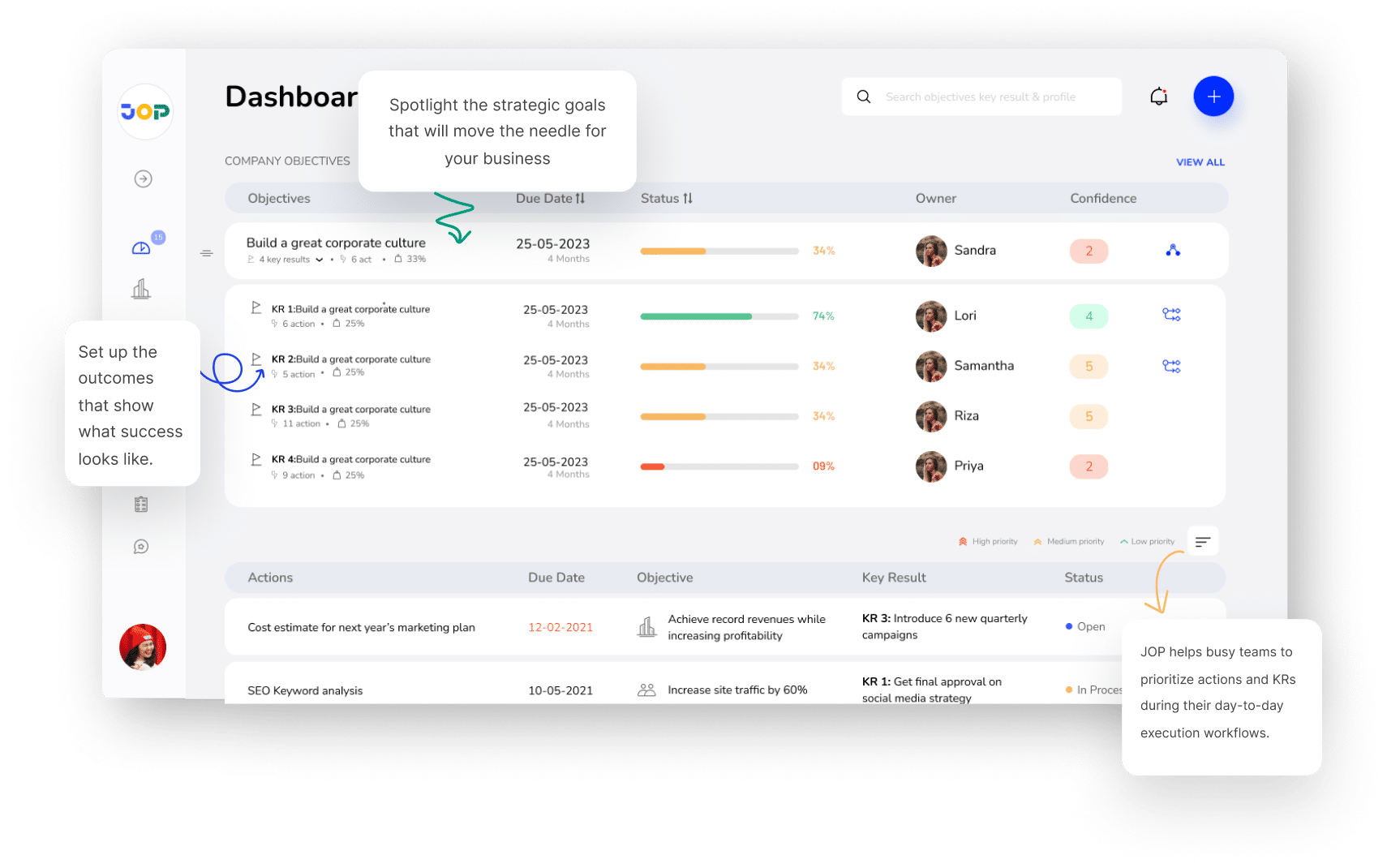
JOP is revolutionary corporate performance management software that is made to ease the task of corporate management and put your people first. By focusing on creating a positive and engaging work environment, JOP helps employees reach their full potential with a good spirit. Through personalized performance plans, gamified recognition, and smooth data integration with other HR functions, JOP helps organizations to promote a culture of high performance. This is how performance culture is built.
Personalized plans for every employee
A cool gamified recognition system to boost the spirit
Quirky OKR visualization in a constellation format
Strong analytics for performance tracking and decision-making
Pros
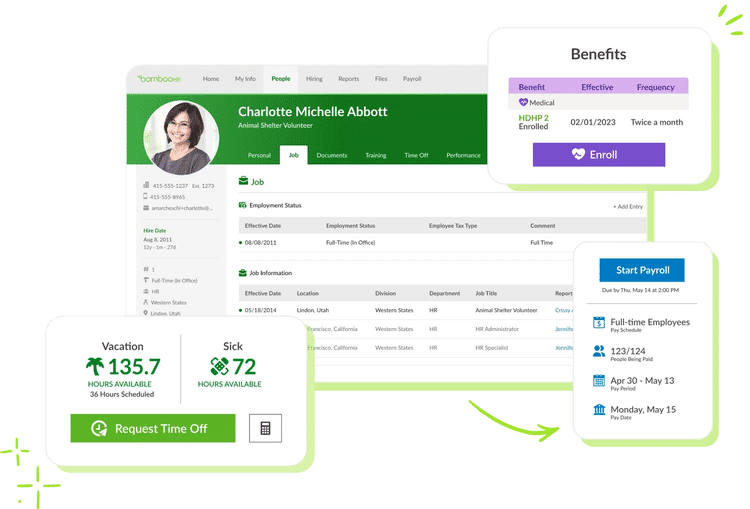
BambooHR is a cloud-based HR management solution that makes hr feel a little more human with its user-friendly interface and focus on employee self-service. It’s a smart platform that has the capability to easily manage small and medium-sized businesses.
Armed with Onboarding and Offboarding Tools
Performance Review Management to inspire with clarity
Time Tracking
Employee Self-Service Portal to ease working
Pros
Cons
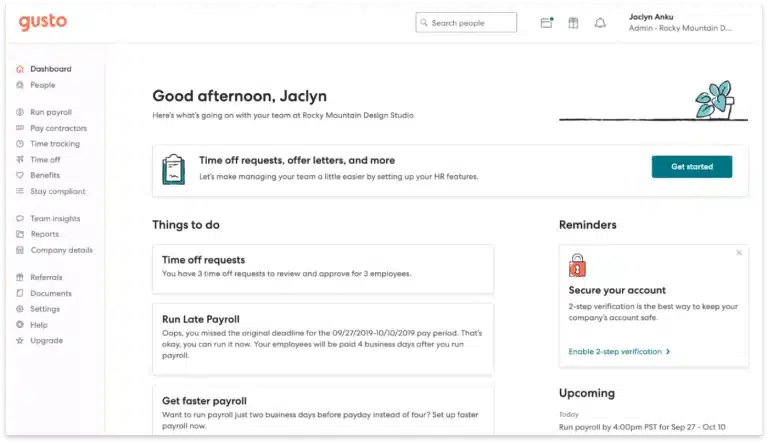
Gusto is a popular payroll and HR platform that takes the stress out of payroll and HR for small businesses. Saves time, money, resources, and headaches so that you can breathe and focus on your team, not managing paperwork.
Payroll Processing feature for easy tracking of salary
Benefits Administration
Time Tracking, no bustle logging hours
User-Friendly Interface, anyone can easily use
Pros
Cons
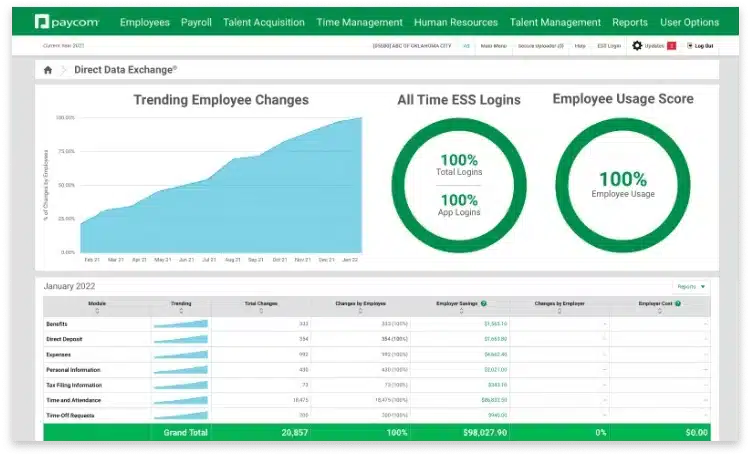
Paycom is another performance management software that relieves HR of busywork. With everything from time tracking to benefits and payroll in one place, it’s built to simplify processes and cut down on admin overload. The platform is loaded with self-service tools, enabling employees to get more control while businesses grow with strong automation.
Integrated Payroll
Time and attendance tracking, which means no space for confusion
Employee at the power through the self-service portal
Strong Reporting Tools
Pros
Cons
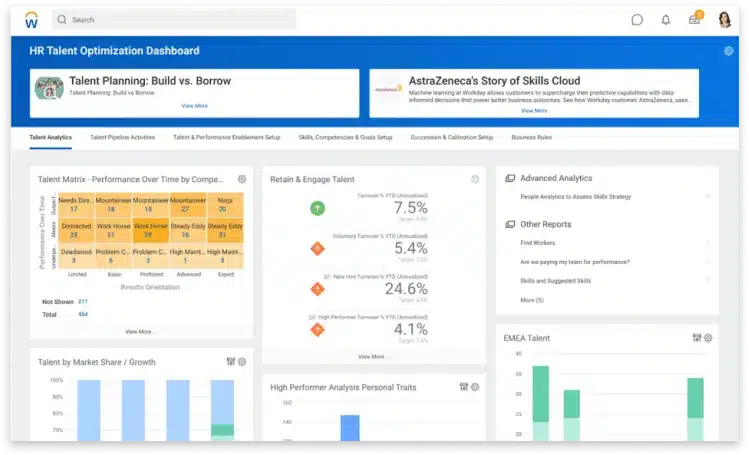
Workday is an advanced platform to ease performance management and HR services. While it’s a favorite for large enterprises, small businesses looking for depth and long-term growth can find real value in its future-ready tools. It acts as a bridge between vision and execution.
All-inclusive HR Modules
Payroll and Benefits Management
Talent Management and identifying potential
Global Workforce Management
Pros
Cons

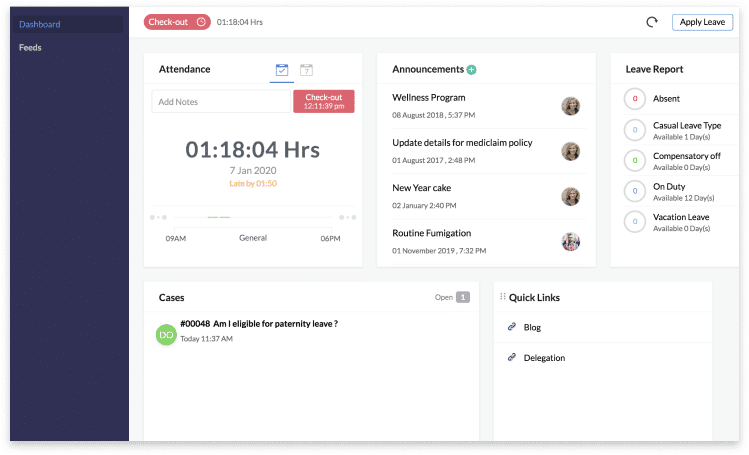
Zoho People is an easy-to-manage platform that brings all core HR functions like recruitment, onboarding, performance management, and time and attendance tracking. Zoho People is part of the Zoho suite of business applications, which allows for smooth and connected integration with other Zoho products.
Easy Recruitment and Onboarding process
Performance Management at ease
Time and Attendance Tracking means no delays, no bustle, only punctuality.
Integrated with the Zoho ecosystem
Pros
Cons
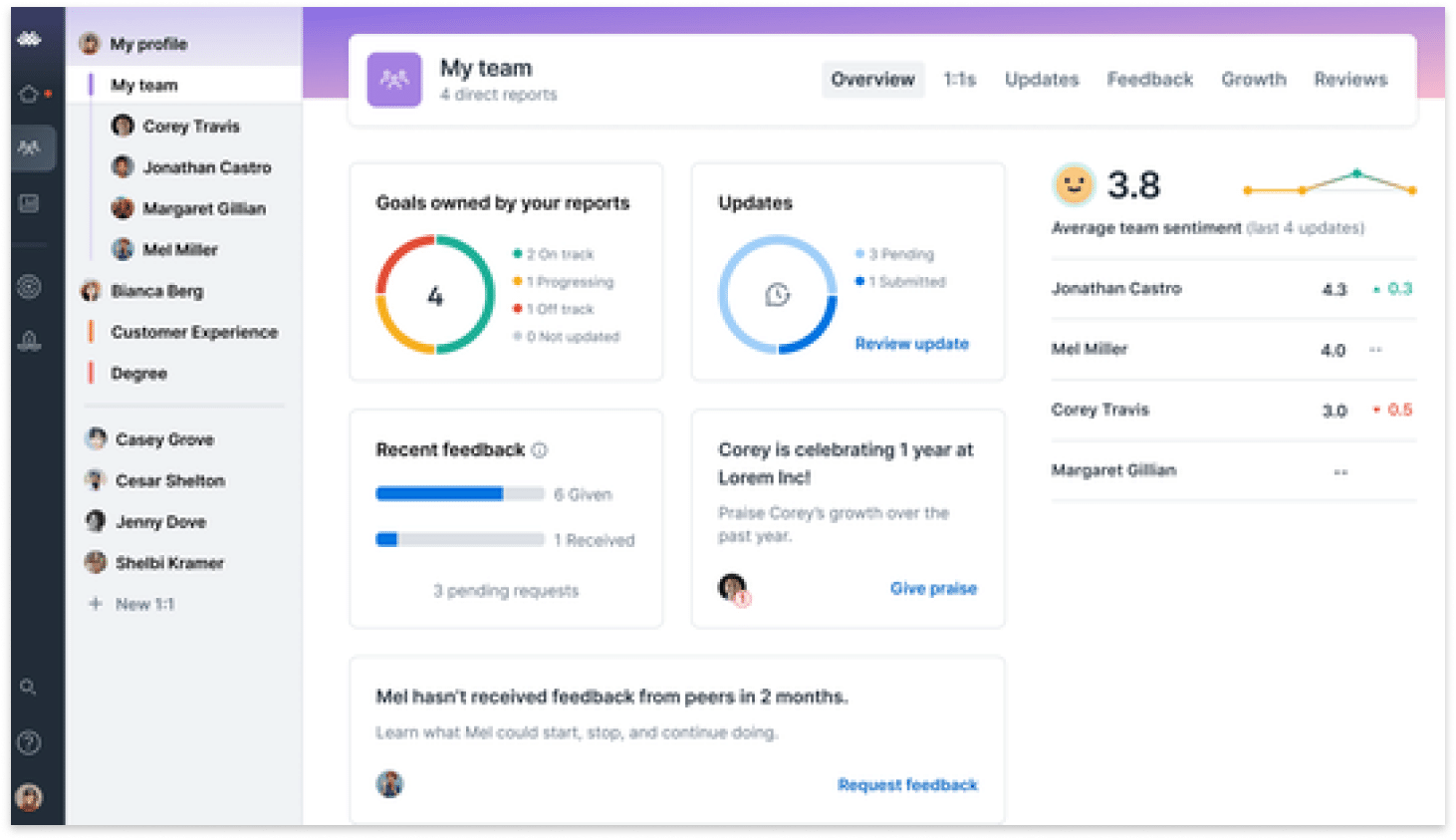
Lattice helps you to invest in feedback and responses to experience growth. It offers customizable performance review processes and integrates with other HR tools. Highly willing to align your team and keep them constantly updated with company goals.
Adjustable Performance Review Process
Employee Feedback Mechanism
Integration with HR Tools
Easy Goal Tracking
Pros
Cons
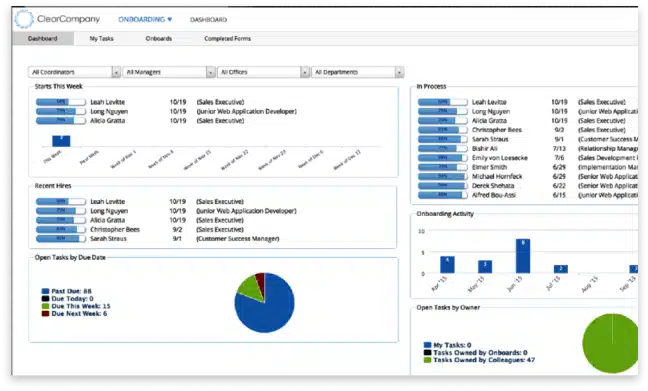
ClearCompany helps you connect people and performance. With tools for goal setting, progress tracking, and employee development, it’s designed to keep your talent strategy aligned with your business strategy. So that your corporate ship sails with a wind not against it.
Goal Setting and Tracking
Employee Development Tools
Performance Review Management
Talent Alignment for employees
Pros
Cons
Corporate performance management (CPM) software is a specialized system that automates budgeting, forecasting, KPI tracking, and financial reporting to help organizations plan, monitor, and analyze overall business performance.
Top CPM platforms include real-time, self-service dashboards; multi-dimensional reporting; integrated forecasting engines; collaborative budget workflows; and a unified data repository for a single source of truth.
Begin by documenting your functional requirements (budgeting, forecasting, consolidation), involve finance and IT stakeholders, and then evaluate vendors based on ease of use, integration capability, scalability, and total cost of ownership.
Modern CPM solutions help finance teams transform into strategic partners by automating repetitive tasks and delivering analytics and insights across the business. They improve forecast accuracy and foster data-driven decision-making by providing unified dashboards and scorecards.
Successful CPM rollouts start with defining clear objectives and KPIs, securing executive sponsorship, and establishing a cross-functional governance team to guide data standards and workflows
In 2025, finding the right Corporate performance management software is about more than features; it’s about finding a mate that supports the team’s growth. From agile startups to established enterprises, every organization has unique needs, and the tools you choose should reflect that.
This guide highlights platforms built to support real progress, not just process. Think beyond today’s checklists. Consider where you want your people and performance to be a year from now and choose the software that helps you get there.
View All
Objectives & Key Results, KPIs, and Balanced Scorecards
1:1s, competencies, continuous feedback, and 360° reviews
Incentive visibility, target tracking, and AI-enabled recommendations
AI-enabled goal creation, actions, report builder
